African Safaris Hub Kilimanjaro

Kilimanjaro · Small-Group Shira Route
Small-Group Shira Route Climb
A carefully paced 7-day climb across Kilimanjaro’s dramatic Shira Plateau, combining a small-group experience with strong acclimatization, spectacular scenery and a sunrise summit of Uhuru Peak.
Overview
A high-altitude western approach with big mountain scenery
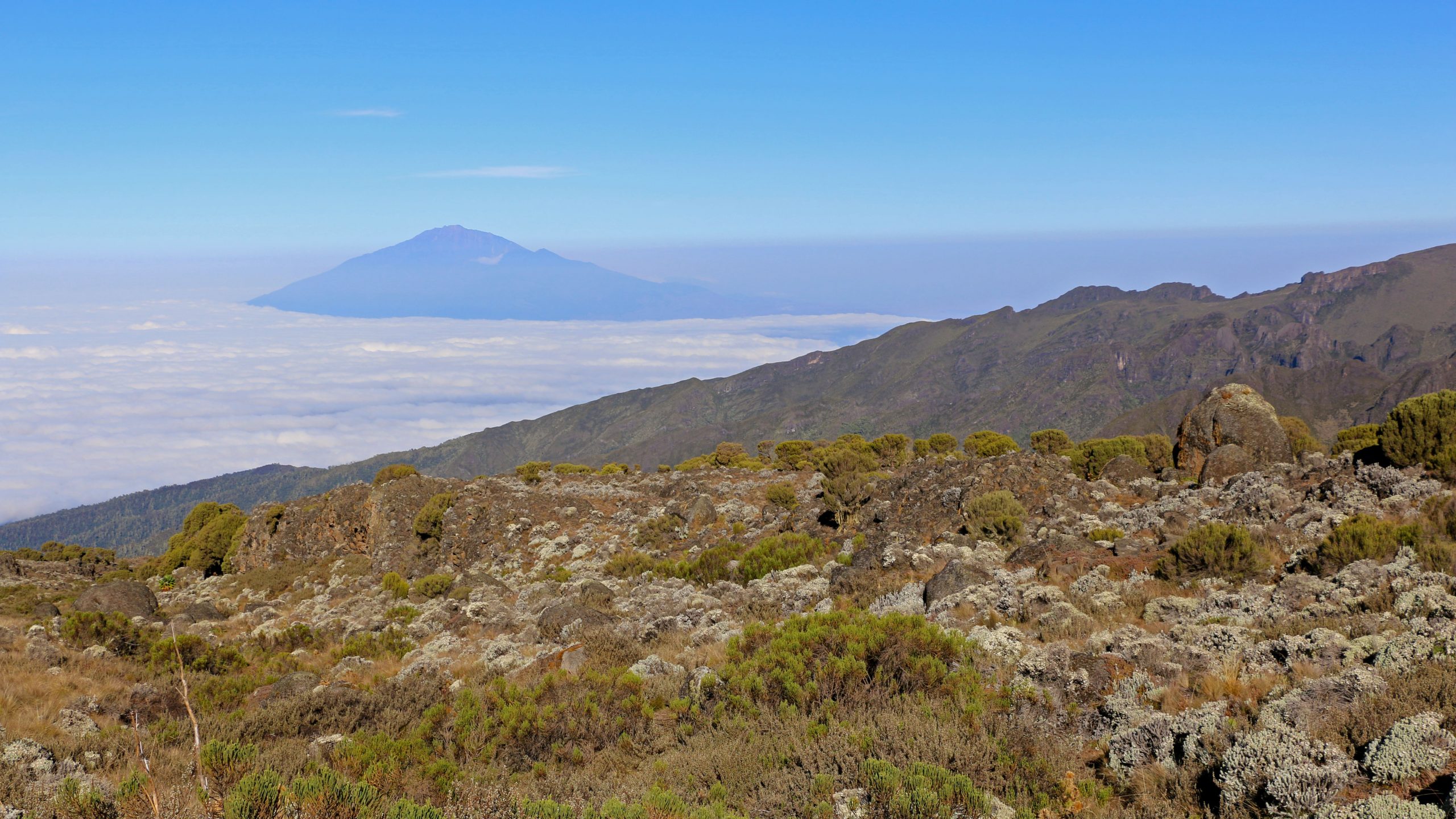
The Shira Route is Kilimanjaro’s original western approach, beginning high on the Shira Plateau rather than climbing gradually through the rainforest. After registration at Londorossi Gate, you continue by vehicle toward the Shira Plateau before starting the trek around 3,500–3,600m.
The route crosses open moorland and the Shira Plateau before joining the Southern Circuit. From there, you climb to Lava Tower for a crucial acclimatization gain, descend to Barranco, tackle the famous Barranco Wall, and continue through Karanga and Barafu toward Uhuru Peak.
This is a non-technical climb, but the high starting elevation makes acclimatization especially important. The itinerary combines gradual trekking days with the “climb high, sleep low” principle before the final summit push.
Trip at a glance
Duration
7 days / 6 nights
Route
Shira Route
Difficulty
Moderate to challenging
Max altitude
Uhuru Peak, 5,895m
Accommodation
Mountain tents + hotel
Best months
Jan–Mar, Jun–Oct
Group
Small-group departure

Trip highlights
What you’ll experience
- The Shira Plateau with expansive moorland, volcanic terrain and open views across Kilimanjaro’s western side.
- A small-group mountain experience with a more personal atmosphere and focused guide support.
- Lava Tower at 4,630m followed by a descent to Barranco, using the climb-high, sleep-low principle.
- The Barranco Wall for an exciting, non-technical scramble and dramatic southern-face views.
- Sunrise at Uhuru Peak, Africa’s highest point at 5,895m, followed by the descent through Mweka.
Day by day
Your 7-day Small-Group Shira Route itinerary
Shira Gate to Simba Camp
After registration at Londorossi Gate, a 4WD transfer takes you high onto the western side of Kilimanjaro. You begin trekking near the Shira Plateau, with a short first walk across open moorland to Simba Camp. The easy pace helps you settle into the unusually high starting altitude.
Simba Camp to Shira 2 Camp
A relatively gentle day across the broad Shira Plateau. You walk through open volcanic grassland and moorland with sweeping views toward Kibo. The shorter hiking day provides valuable time for your body to adjust before the route gains more altitude.
Shira 2 Camp to Lava Tower, then Barranco Camp
This is the key acclimatization day. You climb gradually through the alpine desert to Lava Tower at around 4,600m, spend time at high altitude, then descend to Barranco Camp. The climb-high, sleep-low pattern gives your body an important adaptation opportunity.
Barranco Camp to Karanga Camp
The morning begins with the famous Barranco Wall. The ascent is steep but non-technical, using hands and feet in places. Once above the wall, the trail crosses a series of ridges and valleys before reaching Karanga Camp for a shorter afternoon and another night of acclimatization.
Karanga Camp to Barafu Camp
You climb steadily through increasingly barren terrain to Barafu Camp, the main summit base. After arriving, you eat, hydrate and rest during the afternoon. Dinner is served early before you settle in for a short sleep ahead of the midnight summit attempt.
Barafu Camp to Uhuru Peak, then to Mweka Camp
You leave around midnight for the demanding summit push. Climbing by headlamp, you work toward Stella Point and then continue along the crater rim to Uhuru Peak for sunrise. After celebrating at the Roof of Africa, you descend through Barafu and continue to Mweka Camp for your final night on the mountain.
Mweka Camp to Mweka Gate, then transfer to your hotel
Your final descent takes you through the rainforest to Mweka Gate. After completing park formalities and receiving your summit certificate, you transfer back to your Moshi hotel for a hot shower, a proper meal and a well-earned celebration.
The details
What’s included & what’s not
Included
- Kilimanjaro National Park, conservation, camping and rescue fees
- Professional, licensed mountain guides
- Assistant guides, cooks and mountain porters
- All meals and purified drinking water on the mountain
- Quality mountain tents, sleeping mats and camp equipment
- 2 hotel nights in Moshi before and after the climb
- Airport transfers to and from Kilimanjaro International Airport
- Emergency oxygen, altitude monitoring and first-aid support
Not included
- International flights
- Tanzania entry visa
- Travel insurance with high-altitude and evacuation cover
- Tips for guides, cooks and porters
- Personal climbing gear and equipment rental
- Hotel meals and drinks not specified in the package
- Alcoholic drinks, laundry and personal expenses
- Optional upgrades or private services outside the small-group itinerary
Good to know
Before you book this climb
Fitness
No technical climbing skills are required, but you need good endurance for long uphill days and the demanding summit push. Training with regular hikes and cardio is strongly recommended.
Best time
January to March and June to October generally offer the most favorable trekking conditions, with drier weather and better trail visibility.
Altitude
The route starts unusually high. Move slowly, stay hydrated, eat regularly and report headaches, nausea, dizziness or unusual fatigue to your guide immediately.
Gear
Bring layered clothing, waterproof outerwear, trekking footwear, a warm sleeping bag and proper summit-night insulation. Quality equipment can be rented when available.

Questions
Frequently asked
Is the Small-Group Shira Route suitable for first-time climbers?
It can be, but the Shira Route begins at unusually high altitude, around 3,500–3,600m. That makes the first days more demanding from an acclimatization perspective. First-time climbers should be fit, follow a slow pace and be prepared to communicate any altitude symptoms to the guide immediately.
What makes this a small-group climb?
The itinerary is designed for a shared mountain experience with a limited number of trekkers rather than a large departure. This allows the guide team to maintain a more focused pace, communication and group experience throughout the climb.
How is the Shira Route different from Lemosho?
Both approach Kilimanjaro from the west and share sections of the mountain after the Shira Plateau. The main difference is the start: Shira begins much higher and bypasses most of the rainforest hiking, while Lemosho starts lower and gains altitude more gradually.
Do I need technical climbing experience?
No. The route is a non-technical trek. The Barranco Wall is steep and involves scrambling with hands and feet in places, but it does not require ropes, belaying or specialist rock-climbing skills.
What happens on summit night?
You normally leave Barafu Camp around midnight and climb by headlamp toward Stella Point before continuing to Uhuru Peak at 5,895m. After time at the summit, you descend to Mweka Camp. This is the longest and most physically demanding day of the climb.
What is the small-group price per person?
The displayed starting price is US$2,274 per person, using a current market reference for a 5–7 person Shira Route group. Your confirmed price should be quoted against the exact group size, dates, accommodation and final inclusions.
Can I combine the climb with a safari or Zanzibar?
Yes. A Tanzania safari or Zanzibar beach stay can be arranged before or after the mountain. Request the extension when you enquire so the complete itinerary can be coordinated around your climb dates.
Enquire & book
Reserve your Small-Group Shira Route climb
Tell us your preferred dates and group size. We’ll check availability and prepare a detailed quotation for your small-group Kilimanjaro climb.
We reply within one working day